Sunday, June 24, 2012


Friday, March 18, 2011
Heart Attack
Each year over a million people in the U.S. have a heart attack. About half of them die. Many people have permanent heart damage or die because they don't get help immediately. It's important to know the symptoms of a heart attack and call 9-1-1 if someone is having them. Those symptoms include
What exactly is a heart attack? Most heart attacks happen when a clot in the coronary artery blocks the supply of blood and oxygen to the heart. Often this leads to an irregular heartbeat – called an arrhythmia - that causes a severe decrease in the pumping function of the heart. A blockage that is not treated within a few hours causes the affected heart muscle to die.
- Chest discomfort - pressure, squeezing, or pain
- Shortness of breath
- Discomfort in the upper body - arms, shoulder, neck, back
- Nausea, vomiting, dizziness, lightheadedness, sweating
What exactly is a heart attack? Most heart attacks happen when a clot in the coronary artery blocks the supply of blood and oxygen to the heart. Often this leads to an irregular heartbeat – called an arrhythmia - that causes a severe decrease in the pumping function of the heart. A blockage that is not treated within a few hours causes the affected heart muscle to die.
Multiple Sclerosis
Multiple sclerosis (MS) is a nervous system disease that affects your brain and spinal cord. It damages the myelin sheath, the material that surrounds and protects your nerve cells. This damage slows down or blocks messages between your brain and your body, leading to the symptoms of MS. They can include
- Visual disturbances
- Muscle weakness
- Trouble with coordination and balance
- Sensations such as numbness, prickling, or "pins and needles"
- Thinking and memory problems
Food safety
It is upsetting to think about, but the foods you eat to stay healthy can make you sick. Fortunately, there are many things you can do to protect yourself and your family from foodborne illness. There are things you can do in the grocery store, like avoiding cans that are bulging or jars that have cracks or loose lids. At home, you should
- Be sure that your refrigerator and freezer are the right temperature for storing food
- Refrigerate or freeze perishable foods right away
- Throw away anything that looks or smells suspicious. If you think a food might be bad, don't taste it!
- Wash your hands well before preparing food
- Keep your work area, wash rags and utensils clean
- Cook meats thoroughly
Wednesday, March 2, 2011
Infant and Newborn Nutrition
Food provides the energy and nutrients that babies need to be healthy. For a baby, breast milk is best. It has all the necessary vitamins and minerals. Infant formulas are available for babies whose mothers are not able or decide not to breastfeed.
Infants usually start eating solid foods between 4 and 6 months of age. Check with your health care provider for the best time for your baby to start. If you introduce one new food at a time, you will be able to identify any foods that cause allergies in your baby. Some foods to stay away from include eggs, honey, peanuts (including peanut butter) and other tree nuts.
Infants usually start eating solid foods between 4 and 6 months of age. Check with your health care provider for the best time for your baby to start. If you introduce one new food at a time, you will be able to identify any foods that cause allergies in your baby. Some foods to stay away from include eggs, honey, peanuts (including peanut butter) and other tree nuts.
Breast Feeding
Breast feeding offers many benefits to your baby. Breast milk contains the right balance of nutrients to help your infant grow into a strong and healthy toddler. Some of the nutrients in breast milk also help protect your infant against some common childhood illnesses and infections. It may also help your health. Certain types of cancer may occur less often in mothers who have breastfed their babies.
Women who don't have health problems should try to give their babies breast milk for at least the first six months of life. There are some cases when it's better not to breast feed. If you have HIV or active tuberculosis, you should not breast feed because you could give the infection to your baby. Certain medicines, illegal drugs, and alcohol can also pass through the breast milk and cause harm to your baby.
Women who don't have health problems should try to give their babies breast milk for at least the first six months of life. There are some cases when it's better not to breast feed. If you have HIV or active tuberculosis, you should not breast feed because you could give the infection to your baby. Certain medicines, illegal drugs, and alcohol can also pass through the breast milk and cause harm to your baby.
Caffeine
Caffeine is a bitter substance found in coffee, tea, soft drinks, chocolate, kola nuts, and certain medicines. It has many effects on the body's metabolism, including stimulating the central nervous system. This can make you more alert and give you a boost of energy.
For most people, the amount of caffeine in two to four cups of coffee a day is not harmful. However, too much caffeine can make you restless, anxious, and irritable. It may also keep you from sleeping well and cause headaches, abnormal heart rhythms, or other problems. If you stop using caffeine, you could get withdrawal symptoms.
Some people are more sensitive to the effects of caffeine than others. They should limit their use of caffeine. So should pregnant and nursing women. Certain drugs and supplements may interact with caffeine. If you have questions about whether caffeine is safe for you, talk with your health care provider.
For most people, the amount of caffeine in two to four cups of coffee a day is not harmful. However, too much caffeine can make you restless, anxious, and irritable. It may also keep you from sleeping well and cause headaches, abnormal heart rhythms, or other problems. If you stop using caffeine, you could get withdrawal symptoms.
Some people are more sensitive to the effects of caffeine than others. They should limit their use of caffeine. So should pregnant and nursing women. Certain drugs and supplements may interact with caffeine. If you have questions about whether caffeine is safe for you, talk with your health care provider.
Tuesday, March 1, 2011
Corneal Disorders
Your cornea is the outermost layer of your eye. It is clear and shaped like a dome. The cornea helps to shield the rest of the eye from germs, dust, and other harmful matter. It also helps your eye to focus. If you wear contact lenses, they float on top of your corneas.
Problems with the cornea include
Problems with the cornea include
- Refractive errors
- Allergies
- Infections
- Injuries
- Dystrophies—conditions in which parts of the cornea lose clarity due to a buildup of cloudy material
Female Infertility
Infertility is a term doctors use if a woman hasn’t been able to get pregnant after at least one year of trying. If a woman keeps having miscarriages, it is also called infertility. Female infertility can result from physical problems, hormone problems, and lifestyle or environmental factors.
Most cases of infertility in women result from problems with producing eggs. One problem is premature ovarian failure, in which the ovaries stop functioning before natural menopause. In another, polycystic ovary syndrome (PCOS), the ovaries may not release an egg regularly or may not release a healthy egg.
About a third of the time, infertility is because of a problem with the woman. One third of the time, it is a problem with the man. Sometimes no cause can be found.
If you suspect you are infertile, see your doctor. There are tests that may tell if you have fertility problems. When it is possible to find the cause, treatments may include medicines, surgery, or assisted reproductive technologies. Happily, two-thirds of couples treated for infertility are able to have babies.
Most cases of infertility in women result from problems with producing eggs. One problem is premature ovarian failure, in which the ovaries stop functioning before natural menopause. In another, polycystic ovary syndrome (PCOS), the ovaries may not release an egg regularly or may not release a healthy egg.
About a third of the time, infertility is because of a problem with the woman. One third of the time, it is a problem with the man. Sometimes no cause can be found.
If you suspect you are infertile, see your doctor. There are tests that may tell if you have fertility problems. When it is possible to find the cause, treatments may include medicines, surgery, or assisted reproductive technologies. Happily, two-thirds of couples treated for infertility are able to have babies.
Breast Cancer
Breast cancer affects one in eight women during their lives. Breast cancer kills more women in the United States than any cancer except lung cancer. No one knows why some women get breast cancer, but there are a number of risk factors. Risks that you cannot change include
Symptoms of breast cancer may include a lump in the breast, a change in size or shape of the breast or discharge from a nipple. Breast self-exam and mammography can help find breast cancer early when it is most treatable. Treatment may consist of radiation, lumpectomy, mastectomy, chemotherapy and hormone therapy.
Men can have breast cancer, too, but the number of cases is small.
- Age - the chance of getting breast cancer rises as a woman gets older
- Genes - there are two genes, BRCA1 and BRCA2, that greatly increase the risk. Women who have family members with breast or ovarian cancer may wish to be tested.
- Personal factors - beginning periods before age 12 or going through menopause after age 55
Symptoms of breast cancer may include a lump in the breast, a change in size or shape of the breast or discharge from a nipple. Breast self-exam and mammography can help find breast cancer early when it is most treatable. Treatment may consist of radiation, lumpectomy, mastectomy, chemotherapy and hormone therapy.
Men can have breast cancer, too, but the number of cases is small.
Pregnancy and Medicines
During pregnancy, any medicines you take, including over-the counter or prescription drugs, herbs, or supplements, can get into your baby's system. Some medicines may be safe, but many are not. The decision about whether or not to take a medicine depends on the risks and benefits. You and your health care provider should make this choice together. Labels on prescription and over-the-counter drugs have information that can help with the decision.
Always speak with your health care provider before you start or stop any medicine. Not using medicine that you need may be more harmful to you and your baby than using the medicine.
Always speak with your health care provider before you start or stop any medicine. Not using medicine that you need may be more harmful to you and your baby than using the medicine.
Twins, Triplets, Multiple Births
If you are pregnant with more than one baby, you are far from alone. Multiple births are way up in the United States. Why? More women are having babies after age 30 and more are taking fertility drugs. Both boost the chance of carrying more than one baby. A family history of twins also makes multiples more likely.
Years ago, most twins came as a surprise. Now, most women know about a multiple pregnancy early. They should see their health care providers more often than women who are expecting one baby because multiple pregnancies need to be monitored more closely. Multiple pregnancy babies have a much higher risk of being born prematurely. Some women have to go on bed rest to delay labor. Finally, they may deliver by C-section, especially if there are three babies or more.
Once babies are home, moms may feel overwhelmed and exhausted. Volunteer help and support groups for parents of multiples can ease the transition
Years ago, most twins came as a surprise. Now, most women know about a multiple pregnancy early. They should see their health care providers more often than women who are expecting one baby because multiple pregnancies need to be monitored more closely. Multiple pregnancy babies have a much higher risk of being born prematurely. Some women have to go on bed rest to delay labor. Finally, they may deliver by C-section, especially if there are three babies or more.
Once babies are home, moms may feel overwhelmed and exhausted. Volunteer help and support groups for parents of multiples can ease the transition
Reproductive Health
Both the male and female reproductive systems play a role in pregnancy. Problems with these systems can affect fertility and the ability to have children. There are many such problems in men and women. Reproductive health problems can also be harmful to overall health and impair a person's ability to enjoy a sexual relationship.
Your reproductive health is influenced by many factors. These include your age, lifestyle, habits, genetics, use of medicines and exposure to chemicals in the environment. Many problems of the reproductive system can be corrected.
Your reproductive health is influenced by many factors. These include your age, lifestyle, habits, genetics, use of medicines and exposure to chemicals in the environment. Many problems of the reproductive system can be corrected.
Cesarean Section
A Cesarean section (C-section) is surgery to deliver a baby. The baby is taken out through the mother's abdomen. In the United States, about one in four women have their babies this way. Most C-sections are done when unexpected problems happen during delivery. These include
The surgery is relatively safe for mother and baby. Still, it is major surgery and carries risks. It also takes longer to recover from a C-section than from vaginal birth. After healing, the incision may leave a weak spot in the wall of the uterus. This could cause problems with an attempted vaginal birth later. However, more than half of women who have a C-section can give vaginal birth later
- Health problems in the mother
- The position of the baby
- Not enough room for the baby to go through the vagina
- Signs of distress in the baby
The surgery is relatively safe for mother and baby. Still, it is major surgery and carries risks. It also takes longer to recover from a C-section than from vaginal birth. After healing, the incision may leave a weak spot in the wall of the uterus. This could cause problems with an attempted vaginal birth later. However, more than half of women who have a C-section can give vaginal birth later
Infertility
 Infertility means not being able to become pregnant after a year of trying. If a woman keeps having miscarriages, it is also called infertility. Lots of couples have infertility problems. About a third of the time, infertility can be traced to the woman. In another third of cases, it is because of the man. The rest of the time, it is because of both partners or no cause is found. Drugs or surgery are common treatments. Happily, two-thirds of couples treated for infertility go on to have babies.
Premature Babies
A premature baby, or preemie, is born before the 37th week of pregnancy. Premature birth occurs in between 8 percent to 10 percent of all pregnancies in the United States. Because they are born too early, preemies weigh much less than full-term babies. They may have health problems because their organs did not have enough time to develop. Preemies need special medical care in a neonatal intensive care unit, or NICU. They stay there until their organ systems can work on their own
Wednesday, February 23, 2011
Vitamin D

You can get vitamin D in three ways: through your skin, from your diet, and from supplements. Your body forms Vitamin D naturally after exposure to sunlight. However, too much sun exposure can lead to skin aging and skin cancer. So many people try to get their vitamin D from other sources.
Vitamin D-rich foods include egg yolks, saltwater fish, and liver. Some other foods, like milk and cereal, often have added vitamin D.
You can also take vitamin D supplements. Check with your health care provider to see how much you should take. People who might need extra vitamin D include
- Seniors
- Breastfed infants
- People with dark skin
- People with certain conditions, such as liver diseases, cystic fibrosis and Crohn’s disease
- People who are obese or have had gastric bypass surgery

- Anorexia nervosa, in which you become too thin, but you don't eat enough because you think you are fat
- Bulimia nervosa, involving periods of overeating followed by purging, sometimes through self-induced vomiting or using laxatives
- Binge-eating, which is out-of-control eating
Eating disorders can cause heart and kidney problems and even death. Getting help early is important. Treatment involves monitoring, mental health therapy, nutritional counseling and sometimes medicines.
Child Nutrition
A healthy diet helps children grow and learn. It also helps prevent obesity and weight-related diseases, such as diabetes. The following guidelines will help you give your child a nutritious diet:
 Learn about your children's nutrient requirements. Some of them, such as the requirements for iron and calcium, change as your child ages.
- Offer five servings of fruits and vegetables a day
- Choose healthy sources of protein, such as lean meat, nuts and eggs
- Serve whole-grain breads and cereals because they are high in fiber
- Broil, grill or steam foods instead of frying them
- Limit fast food and junk food
- Offer water and milk instead of sugary fruit drinks and sodas

Malaria
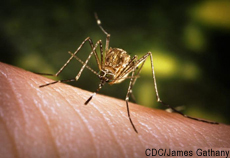
Malaria is a serious disease caused by a parasite. Infected mosquitoes spread it. Malaria is a major cause of death worldwide, but it is almost wiped out in the United States. The disease is mostly a problem in developing countries with warm climates. If you travel to these countries, you are at risk. There are four different types of malaria caused by four related parasites. The most deadly type occurs in Africa south of the Sahara Desert.
Malaria symptoms include chills, flu-like symptoms, fever, vomiting, diarrhea and jaundice. The disease can be life-threatening. However, you can treat malaria with medicines. The type of medicine depends on which kind of malaria you have and where you were infected.
Malaria can be prevented. When traveling to malaria-prone regions
- See your doctor for medicines that protect you
- Wear insect repellent with DEET
- Cover up
- Sleep under mosquito netting
Minerals
Minerals are important for your body to stay healthy. Your body uses minerals for many different jobs, including building bones, making hormones and regulating your heartbeat.
There are two kinds of minerals: macrominerals and trace minerals. Macrominerals are minerals your body needs in larger amounts. They include calcium, phosphorus, magnesium, sodium, potassium, chloride and sulfur. Your body needs just small amounts of trace minerals. These include iron, manganese, copper, iodine, zinc, cobalt, fluoride and selenium.
The best way to get the minerals your body needs is by eating a wide variety of foods. In some cases, your doctor may recommend a mineral supplement.
There are two kinds of minerals: macrominerals and trace minerals. Macrominerals are minerals your body needs in larger amounts. They include calcium, phosphorus, magnesium, sodium, potassium, chloride and sulfur. Your body needs just small amounts of trace minerals. These include iron, manganese, copper, iodine, zinc, cobalt, fluoride and selenium.
The best way to get the minerals your body needs is by eating a wide variety of foods. In some cases, your doctor may recommend a mineral supplement.
Tuesday, February 15, 2011
Miscarriage
A miscarriage is the loss of pregnancy from natural causes before the 20th week of pregnancy. Most miscarriages occur very early in the pregnancy, often before a woman even knows she is pregnant. There are many different causes for a miscarriage. In most cases, there is nothing you can do to prevent a miscarriage.
Factors that may contribute to miscarriage include
Women who miscarry early in their pregnancy usually do not need any treatment. In some cases, you may need a procedure called a dilatation and curettage (D&C) to remove tissue remaining in the uterus.
Counseling may help you cope with your grief. Later, if you do decide to try again, work closely with your health care provider to lower the risks. Many women who have a miscarriage go on to have healthy babies.
Factors that may contribute to miscarriage include
- A genetic problem with the fetus. This is the most common cause in the first trimester.
- Problems with the uterus or cervix. These contribute in the second trimester.
- Polycystic ovary syndrome
Women who miscarry early in their pregnancy usually do not need any treatment. In some cases, you may need a procedure called a dilatation and curettage (D&C) to remove tissue remaining in the uterus.
Counseling may help you cope with your grief. Later, if you do decide to try again, work closely with your health care provider to lower the risks. Many women who have a miscarriage go on to have healthy babies.
NIH: National Institute of Child Health and Human Development
Uterine Cancer
The uterus, or womb, is an important female reproductive organ. It is the place where a baby grows when a women is pregnant. There are different types of uterine cancer. The most common type starts in the endometrium, the lining of the uterus. This type of cancer is sometimes called endometrial cancer.
The symptoms of uterine cancer include
The symptoms of uterine cancer include
- Unusual vaginal bleeding or discharge
- Trouble urinating
- Pelvic pain
- Pain during intercourse
Injuries

Common injuries include
- Burns
- Dislocations
- Fractures
- Sprains and strain
Eye cancer

Cancer of the eye is uncommon. It can affect the outer parts of the eye, such as the eyelid, which are made up of muscles, skin and nerves. If the cancer starts inside the eyeball it's called intraocular cancer. The most common intraocular cancers in adults are melanoma and lymphoma. The most common eye cancer in children is retinoblastoma, which starts in the cells of the retina. Cancer can also spread to the eye from other parts of the body.
Treatment for eye cancer varies by the type and by how advanced it is. It may include surgery, radiation therapy, freezing or heat therapy, or laser therapy.
Treatment for eye cancer varies by the type and by how advanced it is. It may include surgery, radiation therapy, freezing or heat therapy, or laser therapy.
Vaginal Cancer
Vaginal cancer is a rare type of cancer. It is more common in women 60 and older. You are also more likely to get it if you have a human papillomavirus (HPV) infection or if your mother took diethylstilbestrol (DES) when she was pregnant. Doctors prescribed DES in the 1950's to prevent miscarriages.
It often doesn't have early symptoms. However, see your doctor if you notice
 A Pap test can find abnormal cells that may be cancer. Vaginal cancer can often be cured in its early stages. Treatment might include surgery, radiation and chemotherapy.
It often doesn't have early symptoms. However, see your doctor if you notice
- Bleeding that is not your period
- A vaginal lump
- Pelvic pain

Friday, February 11, 2011
Mouth Disorders
Your mouth is one of the most important parts of your body. Any problem that affects your mouth can make it hard to eat, drink or even smile.
Some common mouth problems include
* Cold sores - painful sores on the lips and around the mouth, caused by a virus
* Canker sores - painful sores in the mouth, caused by bacteria or viruses
* Thrush - a yeast infection that causes white patches in your mouth
* Leukoplakia - white patches of excess cell growth on the cheeks, gums or tongue, common in smokers
* Dry mouth - a lack of enough saliva, caused by some medicines and certain diseases
* Gum or tooth problems
Treatment for mouth disorders varies, depending on the problem. Keeping a clean mouth by brushing and flossing often is important.
Some common mouth problems include
* Cold sores - painful sores on the lips and around the mouth, caused by a virus
* Canker sores - painful sores in the mouth, caused by bacteria or viruses
* Thrush - a yeast infection that causes white patches in your mouth
* Leukoplakia - white patches of excess cell growth on the cheeks, gums or tongue, common in smokers
* Dry mouth - a lack of enough saliva, caused by some medicines and certain diseases
* Gum or tooth problems
Treatment for mouth disorders varies, depending on the problem. Keeping a clean mouth by brushing and flossing often is important.
Bleeding Disorders
Normally, if you get hurt, your body forms a blood clot to stop the bleeding. For blood to clot, your body needs cells called platelets and proteins known as clotting factors. If you have a bleeding disorder, you either do not have enough platelets or clotting factors or they don't work the way they should.
Bleeding disorders can be the result of other diseases, such as severe liver disease. They can also be inherited. Hemophilia is an inherited bleeding disorder. Bleeding disorders can also be a side effect of medicines.
Bleeding disorders can be the result of other diseases, such as severe liver disease. They can also be inherited. Hemophilia is an inherited bleeding disorder. Bleeding disorders can also be a side effect of medicines.
Peripheral Arterial Disease
Peripheral arterial disease (PAD) happens when there is a narrowing of the blood vessels outside of your heart. The cause of PAD is atherosclerosis. This happens when plaque, a substance made up of fat and cholesterol, builds up on the walls of the arteries that supply blood to the arms and legs. The plaque causes the arteries to narrow or become blocked. This can reduce or stop blood flow, usually to the legs, causing them to hurt or feel numb. If severe enough, blocked blood flow can cause tissue death. If this condition is left untreated, a foot or leg may need to be amputated.
A person with PAD also has an increased risk of heart attack, stroke and transient ischemic attack. You can often stop or reverse the buildup of plaque in the arteries with dietary changes, exercise, and efforts to lower high cholesterol levels and high blood pressure.
A person with PAD also has an increased risk of heart attack, stroke and transient ischemic attack. You can often stop or reverse the buildup of plaque in the arteries with dietary changes, exercise, and efforts to lower high cholesterol levels and high blood pressure.
Atrial Fibrillation
An arrhythmia is a problem with the speed or rhythm of the heartbeat. Atrial fibrillation (AF) is the most common type of arrhythmia. The cause is a disorder in the heart’s electrical system.
Often, people who have AF may not even feel symptoms. But you may feel
* palpitations -- an abnormal rapid heartbeat
* shortness of breath
* weakness or difficulty exercising
* chest pain
* dizziness or fainting
* fatigue
* confusion
AF can lead to an increased risk of stroke. In many patients, it can also cause chest pain, heart attack, or heart failure.
Doctors diagnose AF using family and medical history, a physical exam, and a test called an electrocardiogram (EKG), which looks at the electrical waves your heart makes. Treatments include medicines and procedures to restore normal rhythm.
Often, people who have AF may not even feel symptoms. But you may feel
* palpitations -- an abnormal rapid heartbeat
* shortness of breath
* weakness or difficulty exercising
* chest pain
* dizziness or fainting
* fatigue
* confusion
AF can lead to an increased risk of stroke. In many patients, it can also cause chest pain, heart attack, or heart failure.
Doctors diagnose AF using family and medical history, a physical exam, and a test called an electrocardiogram (EKG), which looks at the electrical waves your heart makes. Treatments include medicines and procedures to restore normal rhythm.
Obesity in Children
Obesity means having too much body fat. It is different from being overweight, which means weighing too much. Both terms mean that a person's weight is greater than what is considered healthy for his or her height. Children grow at different rates, so it isn't always easy to know when a child is obese or overweight. Ask your doctor to measure your child's height and weight to determine if he or she is in a healthy range.
If a weight loss program is necessary, involve the whole family in healthy habits so your child doesn't feel singled out. You can encourage healthy eating by serving more fruits and vegetables and buying fewer sodas and high-calorie, high-fat snack foods. Physical activity can also help your child overcome obesity or being overweight. Kids need about 60 minutes each day.
If a weight loss program is necessary, involve the whole family in healthy habits so your child doesn't feel singled out. You can encourage healthy eating by serving more fruits and vegetables and buying fewer sodas and high-calorie, high-fat snack foods. Physical activity can also help your child overcome obesity or being overweight. Kids need about 60 minutes each day.
Ergonomics
Ergonomics looks at what kind of work you do, what tools you use and your whole job environment. The aim is to find the best fit between you and your job conditions. Examples of ergonomic changes to your work might include
* Adjusting the position of your computer keyboard to prevent carpal tunnel syndrome
* Being sure that the height of your desk chair allows your feet to rest flat on floor
* Learning the right way to lift heavy objects to prevent back injuries
* Using handle coatings or special gloves to suppress vibrations from power tools
No matter what the job is, the goal is to make sure that you are safe, comfortable, and less prone to work-related injuries.
* Adjusting the position of your computer keyboard to prevent carpal tunnel syndrome
* Being sure that the height of your desk chair allows your feet to rest flat on floor
* Learning the right way to lift heavy objects to prevent back injuries
* Using handle coatings or special gloves to suppress vibrations from power tools
No matter what the job is, the goal is to make sure that you are safe, comfortable, and less prone to work-related injuries.
Diabetic Diet
If you have diabetes, your body cannot make or properly use insulin. This leads to high blood glucose, or sugar, levels in your blood. Healthy eating helps to reduce your blood sugar. It is a critical part of managing your diabetes, because controlling your blood sugar can prevent the complications of diabetes.
Wise food choices are a foundation of diabetes treatment. Diabetes experts suggest meal plans that are flexible and take your lifestyle and other health needs into account. A registered dietitian can help you design a meal plan.
Healthy diabetic eating includes
* Limiting sweets
* Eating often
* Being careful about when and how many carbohydrates you eat
* Eating lots of whole-grain foods, fruits and vegetables
* Eating less fat
* Limiting your use of alcohol
Wise food choices are a foundation of diabetes treatment. Diabetes experts suggest meal plans that are flexible and take your lifestyle and other health needs into account. A registered dietitian can help you design a meal plan.
Healthy diabetic eating includes
* Limiting sweets
* Eating often
* Being careful about when and how many carbohydrates you eat
* Eating lots of whole-grain foods, fruits and vegetables
* Eating less fat
* Limiting your use of alcohol
Dietary Supplements
Dietary supplements are vitamins, minerals, herbs and other substances meant to improve your diet. They can come as pills, capsules, powders and liquids. Supplements do not have to go through the testing that drugs do.
Some supplements can play an important role in health. For example, pregnant women can take the vitamin folic acid to prevent certain birth defects in their babies. Taking supplements can also be a type of complementary or alternative medicine (CAM).
To take a supplement as safely as possible
* Tell your doctor about any dietary supplements you use
* Do not take a bigger dose than the label recommends
* Stop taking it if you have side effects
* Read trustworthy information about the supplement
Some supplements can play an important role in health. For example, pregnant women can take the vitamin folic acid to prevent certain birth defects in their babies. Taking supplements can also be a type of complementary or alternative medicine (CAM).
To take a supplement as safely as possible
* Tell your doctor about any dietary supplements you use
* Do not take a bigger dose than the label recommends
* Stop taking it if you have side effects
* Read trustworthy information about the supplement
Child Nutrition
A healthy diet helps children grow and learn. It also helps prevent obesity and weight-related diseases, such as diabetes. The following guidelines will help you give your child a nutritious diet:
* Offer five servings of fruits and vegetables a day
* Choose healthy sources of protein, such as lean meat, nuts and eggs
* Serve whole-grain breads and cereals because they are high in fiber
* Broil, grill or steam foods instead of frying them
* Limit fast food and junk food
* Offer water and milk instead of sugary fruit drinks and sodas
Learn about your children's nutrient requirements. Some of them, such as the requirements for iron and calcium, change as your child ages.
* Offer five servings of fruits and vegetables a day
* Choose healthy sources of protein, such as lean meat, nuts and eggs
* Serve whole-grain breads and cereals because they are high in fiber
* Broil, grill or steam foods instead of frying them
* Limit fast food and junk food
* Offer water and milk instead of sugary fruit drinks and sodas
Learn about your children's nutrient requirements. Some of them, such as the requirements for iron and calcium, change as your child ages.
Infant and Newborn Nutrition
Food provides the energy and nutrients that babies need to be healthy. For a baby, breast milk is best. It has all the necessary vitamins and minerals. Infant formulas are available for babies whose mothers are not able or decide not to breastfeed.
Infants usually start eating solid foods between 4 and 6 months of age. Check with your health care provider for the best time for your baby to start. If you introduce one new food at a time, you will be able to identify any foods that cause allergies in your baby. Some foods to stay away from include eggs, honey, peanuts (including peanut butter) and other tree nuts.
Infants usually start eating solid foods between 4 and 6 months of age. Check with your health care provider for the best time for your baby to start. If you introduce one new food at a time, you will be able to identify any foods that cause allergies in your baby. Some foods to stay away from include eggs, honey, peanuts (including peanut butter) and other tree nuts.
Folic Acid
Folic acid is a B vitamin. It helps the body make healthy new cells. Everyone needs folic acid. For women who may get pregnant, it is really important. When a woman has enough folic acid in her body before and during pregnancy, it can prevent major birth defects of her baby's brain or spine.
Foods with folic acid in them include leafy green vegetables, fruits, dried beans, peas and nuts. Enriched breads, cereals and other grain products also contain folic acid. If you don't get enough folic acid from the foods you eat, you can also take it as a dietary supplement.
Foods with folic acid in them include leafy green vegetables, fruits, dried beans, peas and nuts. Enriched breads, cereals and other grain products also contain folic acid. If you don't get enough folic acid from the foods you eat, you can also take it as a dietary supplement.
Heat Illness
Your body normally cools itself by sweating. During hot weather, especially with high humidity, sweating just isn't enough. Your body temperature can rise to dangerous levels and you can develop a heat illness. Most heat illnesses occur from staying out in the heat too long. Exercising too much for your age and physical condition are also factors. Older adults, young children and those who are sick or overweight are most at risk. Drinking fluids, replenishing salt and minerals and limiting time in the heat can help.
Heat-related illnesses include
* Heatstroke - a life-threatening illness in which body temperature may rise above 106° F in minutes; symptoms include dry skin, rapid, strong pulse and dizziness
* Heat exhaustion - an illness that can precede heatstroke; symptoms include heavy sweating, rapid breathing and a fast, weak pulse
* Heat cramps - muscle pains or spasms that happen during heavy exercise
* Heat rash - skin irritation from excessive sweating
Heat-related illnesses include
* Heatstroke - a life-threatening illness in which body temperature may rise above 106° F in minutes; symptoms include dry skin, rapid, strong pulse and dizziness
* Heat exhaustion - an illness that can precede heatstroke; symptoms include heavy sweating, rapid breathing and a fast, weak pulse
* Heat cramps - muscle pains or spasms that happen during heavy exercise
* Heat rash - skin irritation from excessive sweating
Pregnancy and Substance Abuse
When you are pregnant, you are not just "eating for two." You also breathe and drink for two, so it is important to carefully consider what you give to your baby. If you smoke, use alcohol or take illegal drugs, so does your unborn baby.
First, don't smoke. Smoking during pregnancy passes nicotine and cancer-causing drugs to your baby. Smoke also keeps your baby from getting nourishment and raises the risk of stillbirth or premature birth. Don't drink alcohol. There is no known safe amount of alcohol a woman can drink while pregnant. Alcohol can cause life-long physical and behavioral problems in children, including fetal alcohol syndrome. Don't use illegal drugs. Using illegal drugs may cause underweight babies, birth defects or withdrawal symptoms after birth.
If you are pregnant and you smoke, drink alcohol or do drugs, get help. Your health care provider can recommend programs to help you quit. You and your baby will be better off.
First, don't smoke. Smoking during pregnancy passes nicotine and cancer-causing drugs to your baby. Smoke also keeps your baby from getting nourishment and raises the risk of stillbirth or premature birth. Don't drink alcohol. There is no known safe amount of alcohol a woman can drink while pregnant. Alcohol can cause life-long physical and behavioral problems in children, including fetal alcohol syndrome. Don't use illegal drugs. Using illegal drugs may cause underweight babies, birth defects or withdrawal symptoms after birth.
If you are pregnant and you smoke, drink alcohol or do drugs, get help. Your health care provider can recommend programs to help you quit. You and your baby will be better off.
Infections and Pregnancy
If you are pregnant, an infection can be more than just a problem for you. Some infections can be dangerous to your baby. You can help yourself avoid infections:
* Don't eat raw or undercooked meat
* Don't share food or drinks with other people
* Wash your hands frequently
* Don't empty cat litter. Cats can transmit toxoplasmosis.
You may need to take medicines or get a vaccine to prevent an infection in your baby. For example, you may need to take antibiotics if you develop an infection with streptococcus, or take medicines if you have genital herpes. Only some medicines and vaccines are safe during pregnancy. Ask your health care provider about how best to protect you and your baby.
* Don't eat raw or undercooked meat
* Don't share food or drinks with other people
* Wash your hands frequently
* Don't empty cat litter. Cats can transmit toxoplasmosis.
You may need to take medicines or get a vaccine to prevent an infection in your baby. For example, you may need to take antibiotics if you develop an infection with streptococcus, or take medicines if you have genital herpes. Only some medicines and vaccines are safe during pregnancy. Ask your health care provider about how best to protect you and your baby.
Subscribe to:
Comments (Atom)